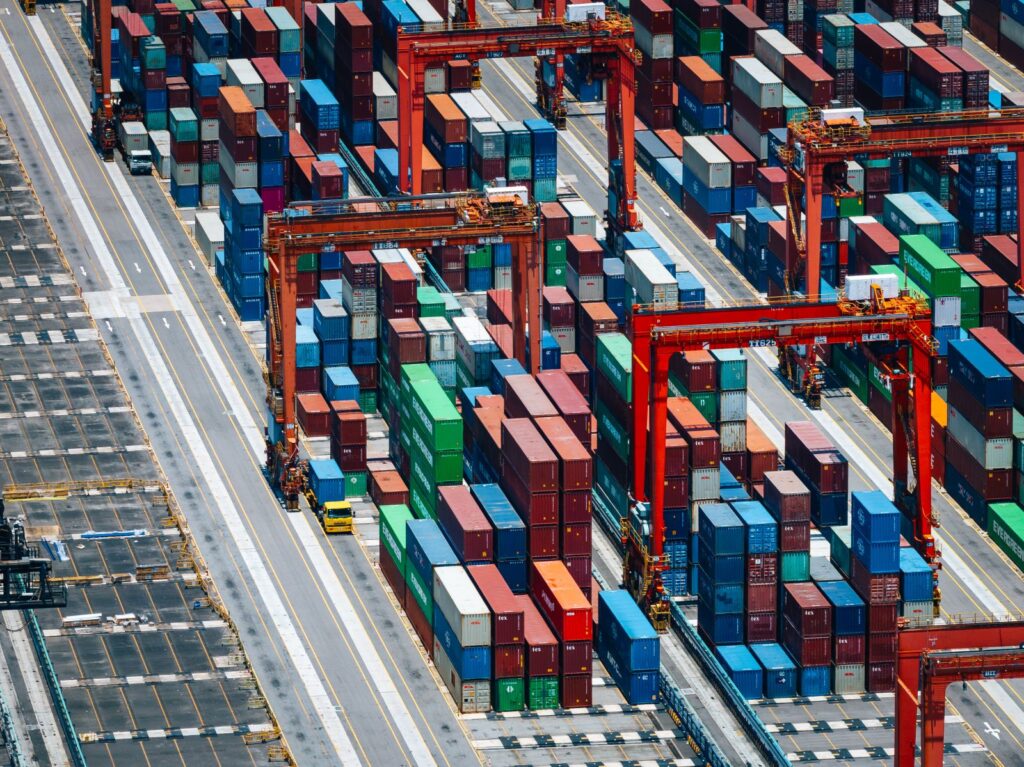
Reuters reports that narrowing tariff gaps as Washington extended duties more widely also changed the arithmetic, and some exporters found total costs barely differed once missing equipment and inputs were imported.
For supply chain sellers, origin is no longer the pitch. Buyers need proof of ecosystem depth, continuity and total landed cost — not a lower duty rate in isolation.
For sellers, the lesson is to stop selling geography and start selling arithmetic. Build landed-cost models buyers can run with their own numbers — freight, duties, inventory, quality and the hidden cost of inputs a new hub cannot source locally — and let the comparison make the case. Messaging anchored to a single duty rate is fragile because rates move; messaging anchored to ecosystem depth, supplier density and continuity survives the next policy change in either direction. Sales teams should also prepare the return conversation: many buyers are quietly rebalancing rather than reversing, so a dual-source story with proof on both sides beats an origin pitch.