


The Surgeon is your fan. He needs to be your soldier.
In the world of Physician Preference Items (PPI), enthusiasm is a dangerous metric.
Every MedTech sales rep has a story about the “Sure Thing”, the surgeon who promised to “get it through the committee” and then went silent for six months. It wasn’t because he changed his mind. It was because he was outgunned by a procurement team armed with three years of utilization data and a mandate to cut costs by 15%.

Where MedTech Deals Go to Die
The sales presentation went perfectly. The Lead Surgeon is thrilled. The clinical staff is already imagining their lives with your new diagnostic tool. Then comes the “Technical Review.”

The Surgeon wants the robot. The CFO wants to know who’s going to pay for the electricity.
While the surgeon’s office is filled with anatomical models and framed degrees, and a place of clinical science, the CFO’s office is filled with spreadsheets and monitors and a place of cold math.
If you are a MedTech or Software company trying to bridge the distance between these two rooms, it’s more difficult than expected. Not because your technology isn’t brilliant. But because you are telling a story that only one of those rooms wants to hear.
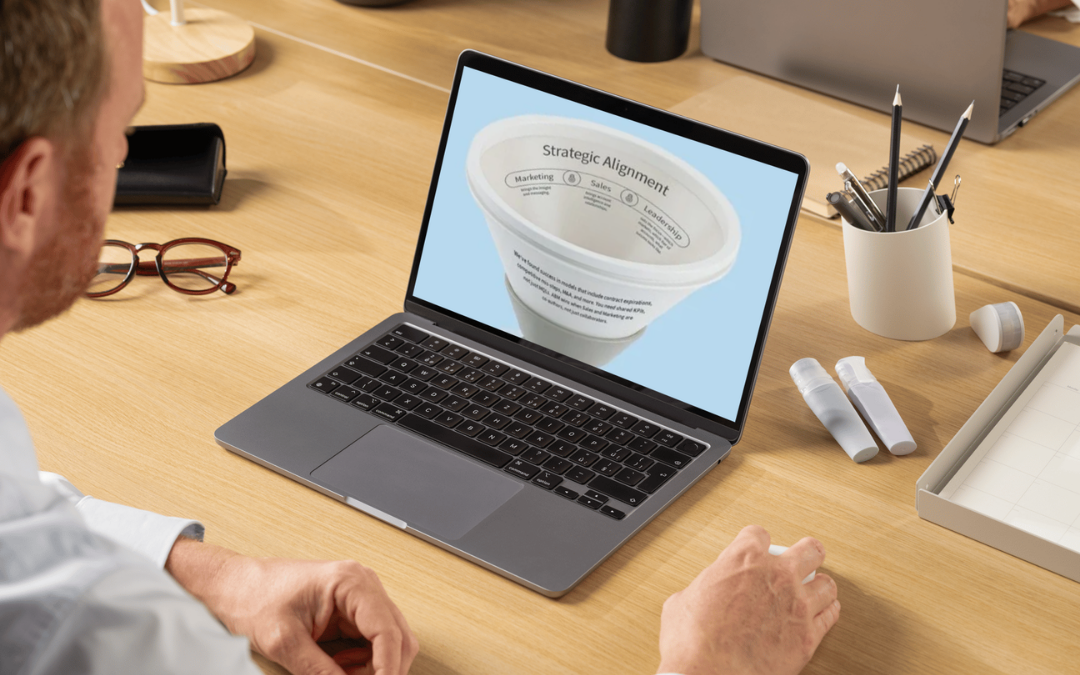
Why Sales and Marketing Leaders Are Turning to ABM
Most sales and marketing teams know their top accounts. The real challenge is identifying which ones are actually in-market. That’s the promise of a well-executed ABM strategy—turning insight into action by focusing on the accounts that matter most. Explore what’s driving the shift to ABM and how leading organizations are using it to engage priority accounts, confirm buying intent, and generate real pipeline opportunities.